On the third day of Christmas…

Sandro Botticelli, St John on Patmos, 1492

Many people in churches this week will hear the stories read of those who first saw Jesus and knew that He was the saviour sent to earth. But what about those who knew Him on earth, walked with Him, saw Him die and rise again, then went on to live waiting for Him to return?

In the church calendar, the third day of Christmas happens to also be the feast of St John. Among other things, John is remembered as the only one of the apostles not to be martyred. Instead he died an old man, imprisoned on the island of Patmos. It was there that he received his visions of the end that are recorded in the book of Revelation. But I love the way that Botticelli’s painting of him shows only the external isolation and suffering of John while he writes. I discovered this painting through a poem by Claude Wilkinson in his latest book, Soon Done with the Crosses. Subverting Auden’s famous declaration of “the old masters” that “about suffering they were never wrong”, Wilkinson decries how so many of the artworks of John on Patmos make him look serene in his idyllic isolation. Only Botticelli, Wilkinson declares, gets it right. He’s right. The image is stark and desolate. John is old, bent over, recording his vision yet in a place as far from the vision as he could be. My children, seeing this painting, asked, “Where are the bars? How can he be in prison without bars?” The question was more poignant than they knew; though one boy quickly found the answer – “He’s on an island with no boat” – the question remains. Many of us are in prison with no bars. On one hand, we might be more imprisoned than we realise; on the other, more free than we know. And many among us might be bound in chains that we cannot see yet could be fastening without knowing.

An African American who draws much inspiration from the spirituals of the slavery era, Wilkinson’s poetry is often concerned with the waiting periods God’s people have known. The title of his new book comes from a spiritual longing for the day when we will “soon [be] done with the crosses” of this life. John seems a fitting Christmas season figure to help us with this, whatever our crosses. His gospel and his first epistle declare the wonder of God made flesh, and he saw the glorified Jesus on the mountain of transfiguration and in his Patmos visions. Yet he still died imprisoned and waiting. Like John, we have celebrated the glorious truth of Immanuel; like John, we know He will come back to be with us forever. Like Wilkinson, we know that we will soon be done with the crosses and chains of this life. Yet like all the saints, we wait. May the God of grace who sustained John on Patmos sustain us as we wait too.

Come, Lord Jesus.

Claude Wilkinson’s Soon Done with the Crosses is published in the Poiema Poetry Series edited by D.S. Martin, Cascade Books, 2023.

On the second day of Christmas…

As a child, I used to assume that Boxing Day meant one of three possible things:

1) It was the day we boxed up all our presents to take them home from our grandparents’. (We never did this, so it probably wasn’t option 1.)

2) After a day of celebrating together, we were now sick of our cousins and started boxing with them instead. (This sometimes happened, so it was possible.)

3) It had something to do with boxing kangaroos. (This made no sense, so it was quite likely because grown-up behaviour never made sense.)

It turns out that the tradition had nothing to do with any of these options. (I know, I’m as shocked as you are.) It also has nothing to do with people rushing out to take advantage of the Boxing Day sales to buy more things after a day of getting things. It’s actually an English tradition of giving gifts either to the poor or to workers and tradespeople. December 26th is also traditionally the feast of St Stephen, the first Christian martyr but also one of the Greek Christians chosen by the apostles to look after the poor widows in the church.

Both these traditions point to something that our society has lost sight of, especially at Christmas. In these twelve days of Christmas we have the opportunity to enter the full wonder of God Himself emptying himself of glory and entering human poverty to be one of us and to save us. Boxing Day, with its emphasis on generosity instead of consumption, seems the perfect way to enter this twelve day festival of God with us.

Christmas Garden

Today, memories of lockdown with
unseasonal cold, semi-constant rain.
The virus still with us, like Jacob we are reminded
of the limp that must attend the blessing.
Yet we too have wrestled with Immanuel; He
has wrestled also, knowing every
virus, every locked-down heart.
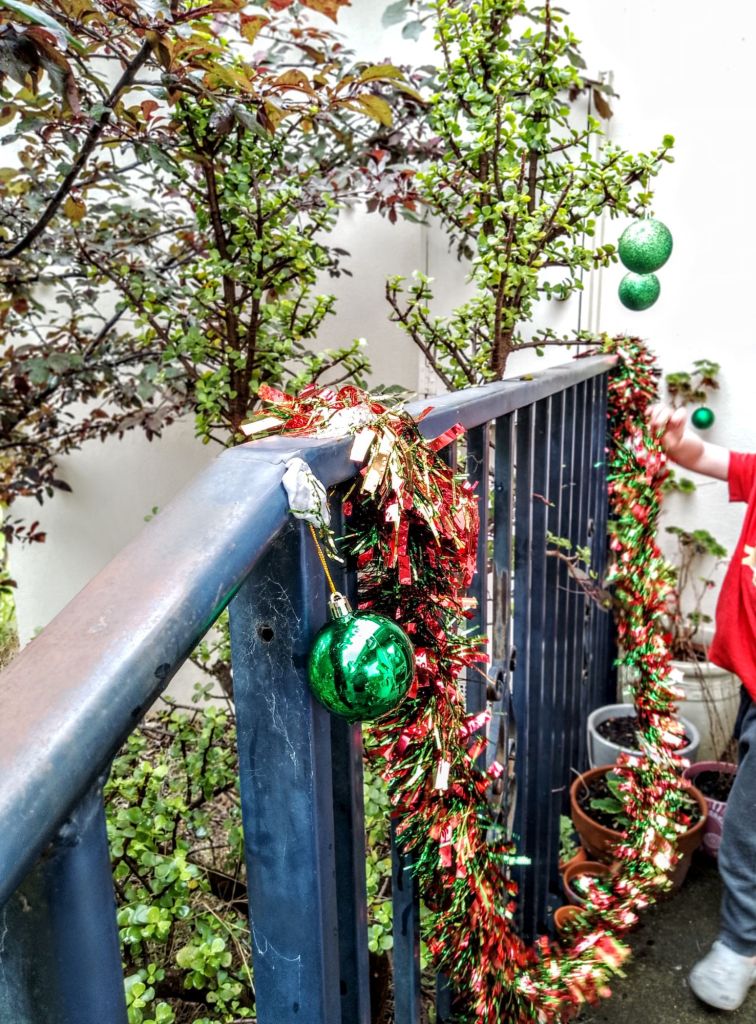
So tinsel and bauble can sparkle without
kitsch or fraudulent claim. He is with us.
On no day does this change.
My son, eyes keener than mine for the signs of joy,
reaches out, grabs hold.

Advent Garden: Week 4

The day before the abundance breaks,
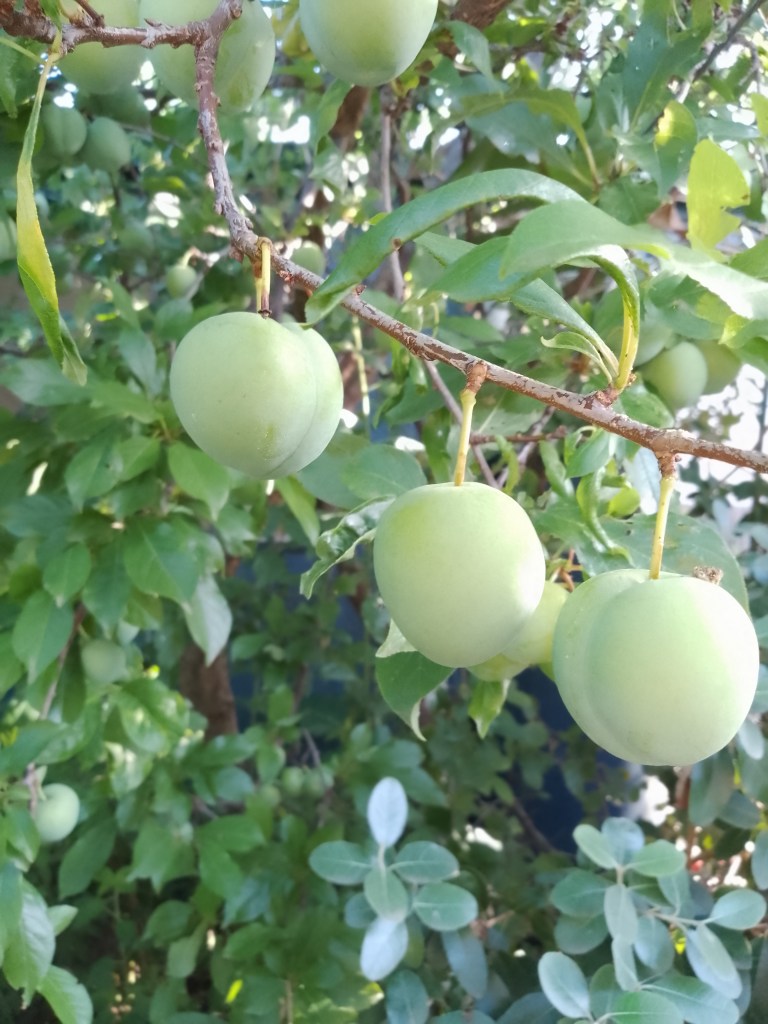
I gather fallen plums and pick up
fragments of tinsel shed around the trampoline.
Preparing for an iso-Christmas we clean out
the fridge and I carry a tea towel full of leftover
vegetables to the compost heap.
Deep in the warmth of the bin, excess becomes
humus, steams and steeps in readiness for
next year’s garden. I have left
so much undone, have done so much I
ought not to have done.
Tomorrow’s mercies hang like
ripening fruit pulling down the bough
of all my drooping, growing days.

Advent Garden: Week 2

In this city of constant
seasonal confusion, the children
must learn and relearn yearly how
summer’s advent only sometimes means
afternoons under the sprinkler or ice cream.
Sometimes it means
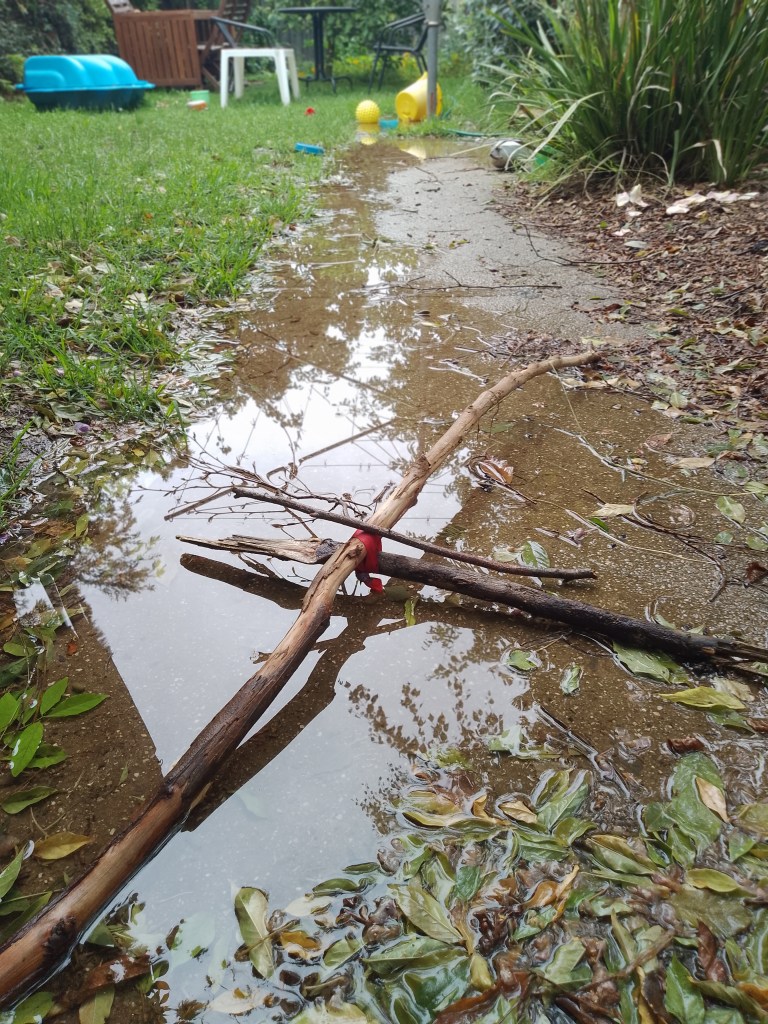
weeklong downpours and a garden so
waterlogged it becomes a marsh.
The cross we made for “pretend Easter”
now lies facedown in a puddle, a cryptic
sign of cradle foreshadowing
Calvary, while we in thus inbetween
watch in the rain for all its fullness
to break through the clouds in decisive
glory, that no season may confound
or earth have cause to weep any more.

Advent Garden: Week One

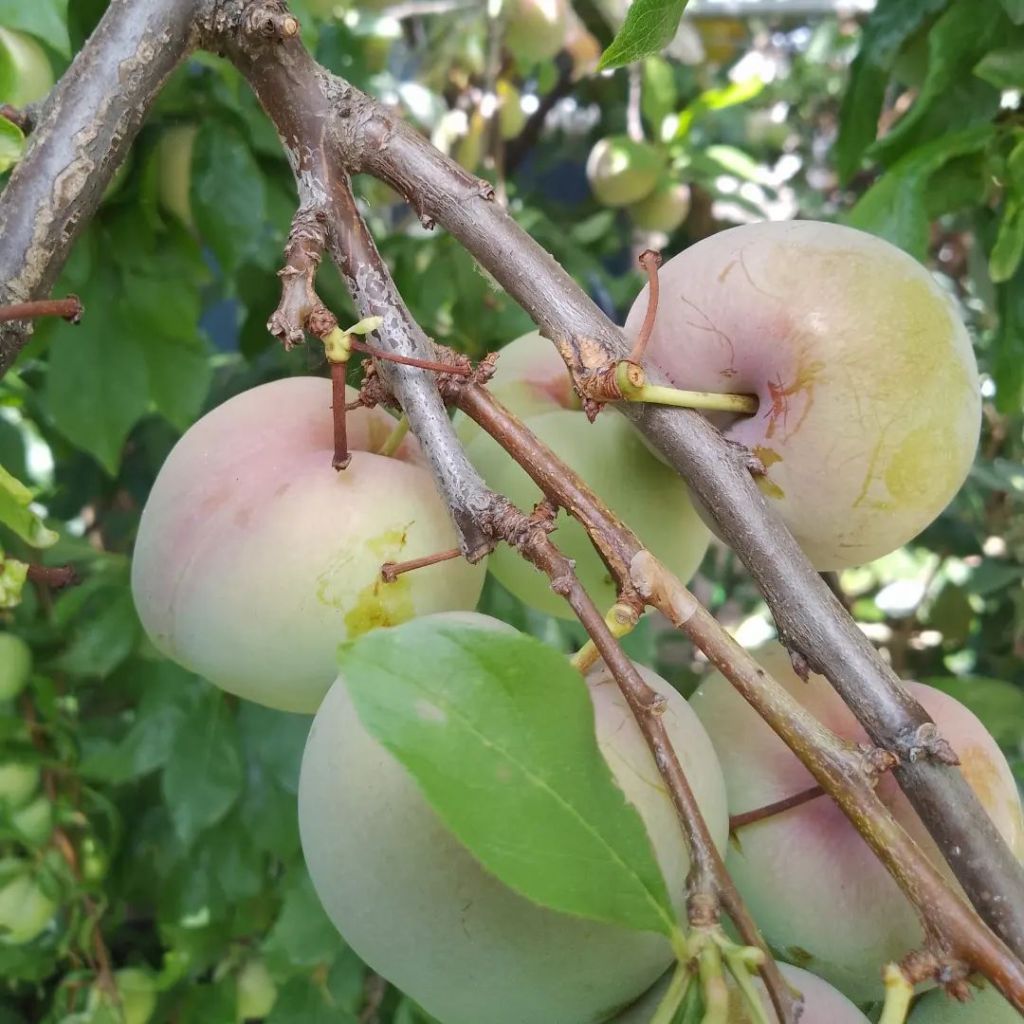
Peach and plum drop
tiny unripe fruit scarcely
bigger than a stone and I
gather them for compost and
to ward off rot and fruit flies.
Yes, you look to the trees and see
summer declared by these
signs of fruit. But why this
kamikaze harvest flung
senselessly early? And how many
will remain patient on the branch
until time in its fullness bids them fall?

Long Shadows: A poem for Reconciliation Week

One of my most significant spiritual mentors, theologian Peter Adam, likes to say of my country’s history that “old sins cast long shadows”. (You can read a piece by him on this from The Gospel Coalition here.) The dark history of white settlement in the lands now called Australia, Adam contends, casts long shadows on our lives in this place. I’ve used this line as the starting point for this poem, a reflection on my experience growing up in this country and slowly learning of its past and my family’s own part in it. I share it today with a prayer that one day we’ll live in an Australia willing to properly confront these old sins and the long shadows they still cast on us.

Long Shadows

Coming of age in the shadow of a sunset clause, I
danced as a child to “Sunset Dreaming”, heard
“Mabo” and “Wik” in the news’ background buzz
sometimes as triumph, sometimes
as Shibboleth, and learnt

through years of Prime Ministerial faffing,
the grace of a humbly uttered “Sorry”. They were
sorry days, those, when we heeded
the floodgates that never opened more
than the ever-open wounds of a neighbour.

“Old sins,” the English say, “cast long shadows.”
Under a long English shadow I grew into guilt
while in public my people excused and evaded.
“Not us,” they said, pleading alibis. Nor were we
In Eden, but the same fruit still sticks in our throats.

Neither relaxed nor comfortable, I studied
the nation’s history and fancied flinging my flesh
like a quartered corpse to the four winds of
the British Isles and Western Europe, only couldn’t,
knowing that in their unique union I was undeniably

Australian. Now, living in these latter years, after
the sorry was said and no floodgates opened,
I look more peacably on eucalypts, have made
a kind of truce with the spiked bottlebrush,
yet still the Sybil of the past asks convicts

and ne’er-do-wells alike who we are, and why:
that our overflowing gaols should flow into
these bays and waterways, that we
should gouge our tales into these songlines.
My family has grown roots here like facts sunk

too deep here now to remove. Yet still I
as steward of this history must sit with a shame
carved into my country’s name. And I must sit
with the soaring silence of this ancient place
and hear its chorus of ancient, undefeated love.

Microprayers for Lent: Final Week

35.
Can clay say to potter, Why did you make me
this way?
Clay traitor greets potter with faithless kiss.

36.
Soldiers kick up dust beneath urgent angry feet.
Creator
of stars and soil is still. Dust covers Him.

37.
Before they flee do His shame-faced friends recall
briefly
palm fronds, dusty road, humble king on donkey?

38.
My feet, like theirs, carry the fallen earth’s dust.
Like theirs,
my heart collects all the muck of the city’s pride.

39.
Mired in my muck, You carry Your own tree, who
carved whole
worlds; now Your palms are graven with nails.

40.
Every minute skin sheds dead cells by tens of
thousands.
Dead skin turns to dust. Can dust’s life return?

Microprayers for Lent: Week 6

28.
(But can You make my wilful will as soft, as
willing
to change at Your touch as this clay?)

29.
Some days I could see You transfigured
and barely
notice. Transfix my eyes. Show me truth.

30.
First, this truth: You became clay, became dust.
The potter
became like the fragile clay He made.

31.
The same hands that sculpted soil into life
now feel
the mortal sting of splinters as He works wood.

32.
Calluses line with sawdust. Blood blisters glisten
like stars,
like the first pulse of life in His creation.

33.
He who first thought of trees, first sculpted soil,
now kneels
among trees, feels soil and blood commingle…

34.
I bend only to my will. Maker of clay, You bend
and pray:
Is there another way?