I dreamt a ferryboat dream where,
crossing some unknown stretch of deep,
we struck another time and you
were lost into the depths of There,
and, Orpheus, I wandered far
where loss and past commingled in
faint glimpses of your head – behind
only, never quite your face.
And when re-united, by those turns
that dreams sometimes have when full known,
I wondered where within the tale
we stood – if I had turned behind
and lost you, only now to have
you back again, in some sweet form
of ancient woe retold with joy,
or if the worst was yet to be.
All dreams will pass, and I awoke,
the ferry gone, and all of our
dark passings-by now still.
And in the stasis of the night,
I looked up to the ceiling, through
the roof, to stars – white-bright, though dead –
and still were all night’s ferryboats;
no shadow turned, or clung onto
the glimpse of dreams to be.
Before we save the daylight

Settle.
The city is quietly occupied, the day protected –
as though something must be done.
Watch a screen by all means,
but first gather friends,
and walk to the shops to lubricate the day.
Or hit the streets, if you choose –
to enjoy unexpected sunshine, and the hum,
like a ball hissing through the sky,
of a city in agreement.
Deeper meaning is lost, yet perhaps we still glimpse Sabbath:
a quiet acceptance that today we need not be boss.
Whatever sport we make, however we will spend
the lost hour of this night –
rejoice now in daylight,
in a moment which can neither be bought nor saved,
yet beckons the endless holiday,
the game that can only be won.
Catechism 46
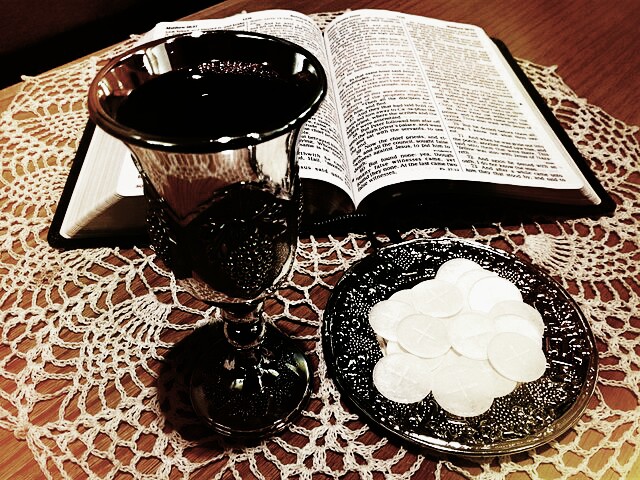
What is the Lord’s Supper?
Christ commanded all Christians to eat bread and to drink from the cup in thankful remembrance of him and his death. The Lord’s Supper is a celebration of the presence of God in our midst; bringing us into communion with God and with one another; feeding and nourishing our souls. It also anticipates the day when we will eat and drink with Christ in his Father’s kingdom.
(New City Catechism)
Nothing says it better than this.
We should not be eating here;
crumbs beneath the table are
more than we deserve.
But come –
The table welcomes us, carries for us
the means by which we come.
Water, wine, bread: so elemental,
so assumed, passed by as ordinary.
Heaven in ordinary greets in this meal:
the simplicity of friends gathered at table,
the wonder of friendship
with the Bread and the Vine.
Blackbirding

Did you come here for pearls,
having heard of the Bay
where the oyster-shell waters
open up wide to share?
Have you brought your investors
to see what’s for sale
in the town by the jetty
at old Roebuck Bay?
Have your brought your own tender
to hold as you dive,
or some eager companions
who’ll plunge for your dime?
Have you captured the knowledge
from ancient salt shores?
Will you watch from the shoreline
or dive down yourself?
Dive deep for the oysters;
save grit for the pearl.
The luggers are humming
as they promise the world.
Now the waters are swaying
and the history’s deep.
You should have let birds fly
and left pearls in the sea.
* Blackbirding was the term used for the capturing Aboriginal divers to work on pearl luggers in Broome.
Ritual
Why do I walk on tiptoes when I first step into icy blue?
As if my waist
must stay above the lapping line,
as though
caution will keep me safe in this task
which infants undertake with glee?
The slow preparation,
the gasps as underneath we plunge:
all this is ritual, and we are drawn to it
as ducks to streams –
salt or chlorine always say
Summer, whatever the temperature of air,
however pervasive the shade.
And here bamboo lines the pool, and palm
fronds droop like willows thirsty for drink:
the scene is stamped, Paradise
in shades we are trained to recognise.
Not all is familiar or belongs:
pindan dust falls to blue floor
and outside smudges the bitumen.
My coast is not this coast;
the sun sets for me the other way.
Though strange the air and stranger the days,
all water says, I am home.
The Snake that Wasn’t
First, it prompts barking, then slithers,
Its brown face poking, scaled, from the trees.
Bamboo and rock can’t expose its camouflage,
yet the dog is wiser.
Trapped by barking and pool, the reptile skulks
while, in Sunday daze, we search out “Kimberley snake control”
and keep the dog at bay.
In a flash between leaves, two feet and blue tongue emerge;
foe turns to friend, perhaps,
but dog barks still, unsure if friends
can have blue tongues and scaly feet.
Anti-climax wags its tail in Broome September heat.
Cautious, slowed, the lizard backs
a hesitant retreat.
Asking

Too simple.
The copers always say yes until the last
and the question’s sincerity must be matched with the moment,
the timing devised for the heart to respond:
no hallway exchanges, or coffee machine chit-chat.
Space is required – a safe place to land
when sand bags and bubbles collapse.
Too late to be asking when the home is not made,
when the body’s been drifting in the rye all this time.
Catch long before the question is asked;
catch long before the reply.
You can’t read in traffic
Stuck in horrendous traffic on the way to work yesterday, I began to reflect on the irony that, as someone who spends most of my life talking about reading and writing, I have remarkably little time to read or write. This is what those thoughts generated.
The Consolation of Psalms: Podcast Episode Two

I was angry with my friend;
I told my wrath, my wrath did end.
I was angry with my foe;
I told it not, my wrath did grow.
So William Blake begins his poem “A Poison Tree”. Where as Christians do we take our anger, or all the other messy emotions that seem not to belong comfortably in our faith? We can start by taking them to the Psalms.
Well, iTunes is not co-operating with me trying to get my podcasts available through the store, but here is the second one, a reflection on the power of the Psalms for dealing with anger, despair and depression. The recording is available for download here and at Soundcloud. If you like what you hear, please let others know so that these reflections can get to the people who need to hear them.
Blessings,
Matt.
Nazarene (II)
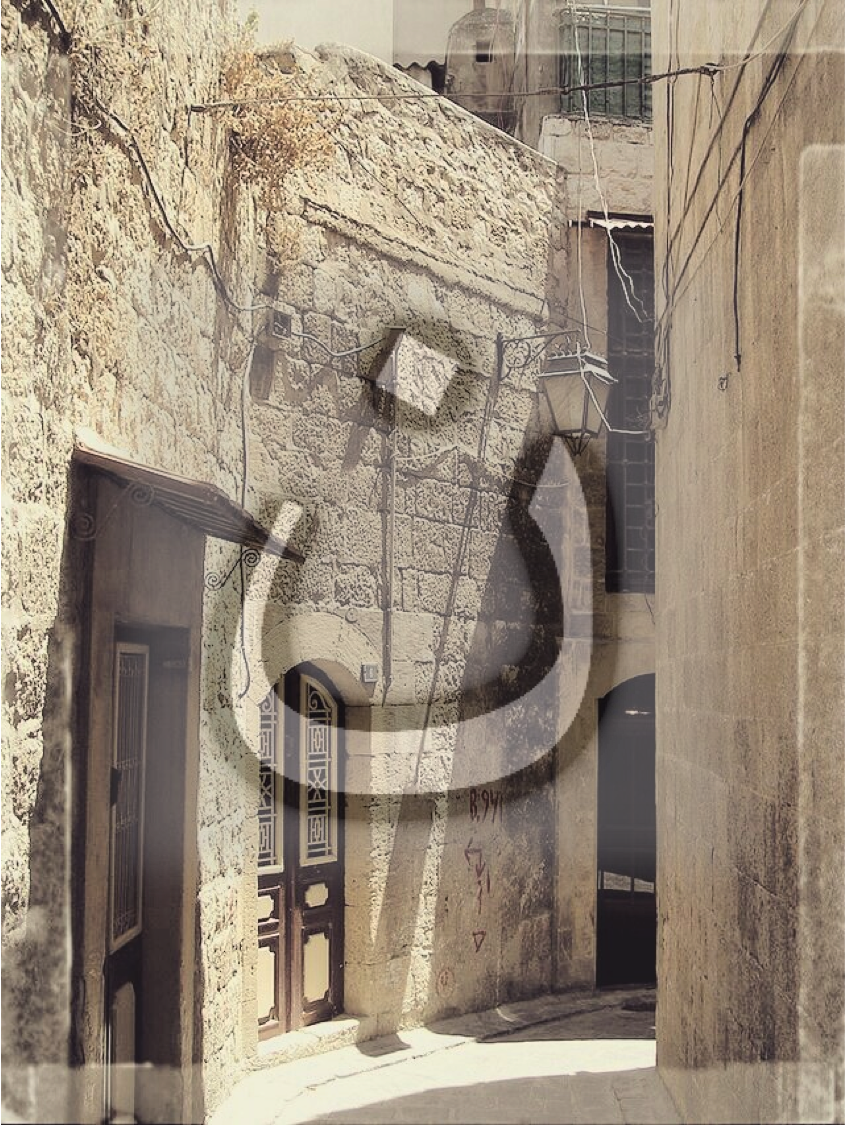 Did you meet in Damascus?
Did you greet at the stalls
and meet in your homes,
all safe in their walls?
Was there never a time
when your people weren’t here?
Did you meet in Damascus
and sing?
Did you meet in Homs
where your buildings were tall,
where the foundations laid
were the surest of all?
When the children jeered
and the guns came in,
did you meet in Homs still
and pray?
Did you meet in Aleppo?
Did you gather as one?
Did you watch as the armies
burnt in like the sun?
Were your family called kaffirs
and your friends sent from you?
Did you meet in Aleppo
and weep?
 The Consolations of Writing