We watched, static in our waiting spots,
lights red, traffic backed up Queensberry Street,
as the purple tent, pegless, half air-borne,
somersaulted across the road and stopped
at the stilled bumper of a nearby car.
The car was motionless, like ours, yet not
waiting to start. Content, the purple tent rested,
royal, carefree in this twilit crawl
in momentary grace.
Catechism 33
Should those who have faith in Christ seek their salvation through their own works, or anywhere else?
No, they should not, as everything necessary to salvation is found in Christ. To seek salvation through good works is a denial that Christ is the only Redeemer and Savior.
(New City Catechism)
Understand:
the chasm is too wide, the gap
too vast for any Good to bridge.
All vain
attempts to straddle death with works,
however beautiful, are only
puddles
in an infinite sea.
And know this:
all the ladder-clambering to
which the dying soul will turn
cannot
ascend the smallest rung,
can only slip, and slander grace
which lifts
the sinner from her knees.
And nothing
in our best attempts, our finest deeds,
our kindest actions, whitest fleece,
can near
the width of grace’s arms which span
the heavens and the earth to take
our filth
into its cleansing grip.
Catechism 32
What do justification and sanctification mean?
Justification means our declared righteousness before God, made possible by Christ’s death and resurrection for us. Sanctification means our gradual, growing righteousness, made possible by the Spirit’s work in us.
(New City Catechism)
First, declared – altogether undeserved. First a righteousness which comes from above in shower, blood, avenging love. First the gavel’s pound upon the bench declares salvation. Then the change – “As you are, and have been called – now be each day. Now live a life worthy of this calling, worthy of this Life.” First the calling, first New Life, then life transformed by Spirit.Catechism 31
What do we believe by true faith?
Everything taught to us in the gospel. The Apostles’ Creed expresses what we believe in these words…
(New City Catechism)
We believe:
Almighty Father –
maker of
all living things,
all things
sustaining,
holding all.
We believe:
One Son, one Lord –
Jesus Christ, virgin-born,
Spirit-conceived,
the beaten,
suffering,
dying King.
We believe:
Christ crucified –
died and buried,
rose again,
ascended now to
heaven’s throne
to judge and ever reign.
We believe:
One Holy Ghost –
one holy, whole,
Apostle-church,
all saints communing,
sins forgiven,
everlasting
life to come.
Kingdom
The teachers of the law deceive, devour;
The humble king is quizzed on His own law.
The pure in heart see God; the kingdom’s poor
Inherit what the rich lose with their power.
Great David’s greater Son knows that His hour
Is soon to come; He knows the loving score
Composed and tuned by Father’s plan. Before
The throne to come, there must be crowning thorns.
To those who, poor in spirit, turn toward
The face of favour – spat on, slapped and scorned –
By the tender mercy of our God,
In promise, faithful, sure in all darkness,
His dawn will break from high all over us.
Catechism 30
What is faith in Jesus Christ?
Faith in Jesus Christ is acknowledging the truth of everything that God has revealed in his Word, trusting in him, and also receiving and resting on him alone for salvation as he is offered to us in the gospel.
(New City Catechism)
Price paid – rest. The promise lies in deepest past: Adam’s offspring crushes heads of serpents with his heel. Rest, receive: the Word tells all a soul must know. Adam’s stain to stainless death, many sons brought glory. Trust the truth: though sin clamours at our ears, better words are spoken in the blood which pleads for us.
Catechism 29

How can we be saved?
Only by faith in Jesus Christ and in his substitutionary atoning death on the cross; so even though we are guilty of having disobeyed God and are still inclined to all evil, nevertheless, God, without any merit of our own but only by pure grace, imputes to us the perfect righteousness of Christ when we repent and believe in him.
(New City Catechism)
Without excuse, I
testify within me to
this daily sickness,
this ever-reaching backward
to the garden’s first death-fruits.
Without excuse, I
cannot grasp my way towards
what once should have been.
Too late, I have only death;
but rich mercy intercedes.
No excuse and no
justice: righteousness given
to the least righteous.
Perfect life lived in my stead,
lived on this beggar’s behalf.
How can we be saved?
No excuse, we cry, desperate.
The answer, senseless,
replies: only faith, only
grace which pays infinite price.
Late Winter
I fought against the wind and, though I won,
It threw its debris all about the place,
Tossed hair asunder, tug-of-warred my face
And left me with a sense of being stung.
The wind did battle with the joys of sun,
Though still the early spring bore marks of grace
And, pulled this way and that, I caught the trace
Of hope which nonetheless had surely sprung.
While now I may be caught in gusts which fling
My fickle self wherever wind may blow
(And in my mind a battle may still fare
Though all the gales have settled), still I know
The smell of spring when it enters the air
And feel firm rock beneath in everything.
Sonnet

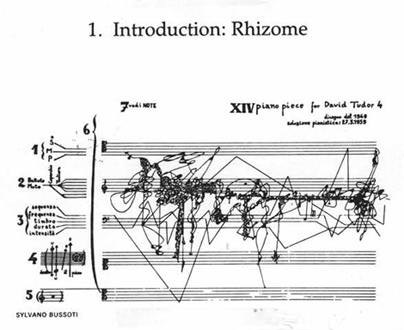
Your mind’s a rhizome and your head’s at sea.
Stray flotsam, jetsam drift in it; its roots
Run deeper than the ocean bed and shoots
Burst out of it, this way and that. The key
To tracing thoughts back to their unity
Lies not in system or in sticking boots
Into the wildness of your thought. The fruit
Will show the truth for judgment of the tree;
Meanwhile, your wild plurality of thought
Unsettles – let it. In your fragments, turn
To where one Word encompasses it all.
Within these blowing winds, the truth’s a squall,
But in my calm, confusion will be caught.
Disintegrate in me; to me, return.
Apology
If perhaps in sullen days I might slide back
to where I fell, a child, into the dark,
please wait with me as slowly I am brought
again into the light. Your love has brought
the truth to bear in silent corners, back-
rooms where thick lies have festered in the dark.
Although not whole, I’m neither lost in dark;
I mourn this languid baggage that I’ve brought,
yet every night and morning I come back
to see how far from dark I have been brought.